







































The History and Traditions of Christmas Carols
Explores how Christmas carols began, how they changed over time, and why singing them became a beloved holiday traditions
The Story of Christmas Carols
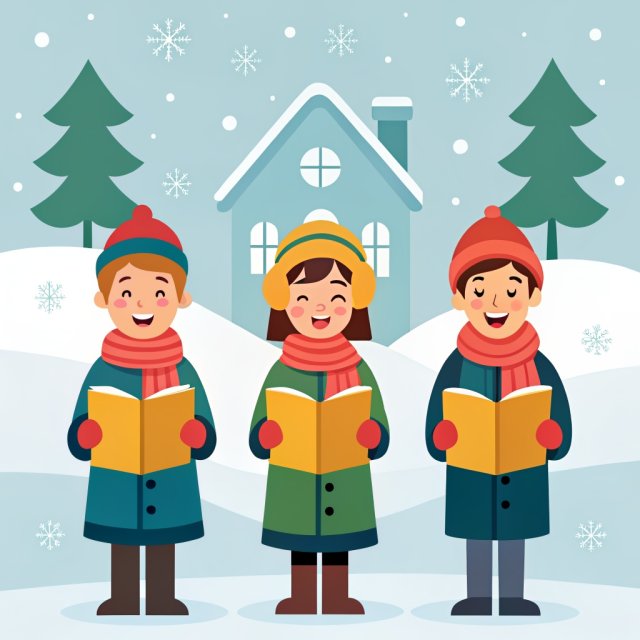
Christmas carols are songs that celebrate the holiday season. Some tell the Nativity story, while others describe winter scenes, joy, generosity, or traditions from around the world. Carols are a major part of Christmas celebrations and are sung in homes, churches, schools, concerts, and even from door to door.
But carols weren’t always cheerful holiday songs. Their story stretches back hundreds of years and includes ancient dances, church music, and cultural traditions that grew and blended over time.
Early Beginnings: Songs Before Christmas
Before there were Christmas carols, many cultures had winter songs. These songs celebrated the changing seasons, the winter solstice, and hopes for warmth and good fortune. They were often lively and included dancing.
When Christianity spread through Europe, some of these winter songs were adapted into songs celebrating the birth of Jesus. This marked the first step toward the carols we know today.
The First Christmas Carols
The first true Christmas carols appeared around the Middle Ages, about 800–1,000 years ago. These early carols were written in Latin and sung by monks and choirs during church services. However, because many people didn’t understand Latin, the songs weren’t widely known outside church walls.
Later, carols began to be written in local languages. This allowed ordinary people to sing them at home, at festivals, and in town celebrations.
Caroling Becomes a Tradition
By the 1400s and 1500s, caroling became a popular outdoor activity. Groups of singers traveled from house to house performing songs in exchange for food, drink, or small gifts. These carolers were sometimes called:
-
Waits
-
Minstrels
-
Wassailers
Caroling brought communities together and helped spread holiday cheer long before radios or recorded music existed.
The Rise of Famous Carols
Many well-known carols were written between the 1700s and early 1900s. Some were created by church musicians, while others came from poets and storytellers.
Examples include:
-
“O Come, All Ye Faithful” (1700s)
-
“Hark! The Herald Angels Sing” (mid-1800s)
-
“Silent Night” (1818)
-
“O Holy Night” (1847)
-
“Joy to the World” (1719; melody added later)
Each song added something new—hopeful words, peaceful melodies, or joyful rhythms.
Modern Christmas Songs
In the 1900s, holiday music grew even more with classic songs that didn’t exist in earlier centuries, such as:
-
“Jingle Bells” (written for Thanksgiving!)
-
“Rudolph the Red-Nosed Reindeer”
-
“Frosty the Snowman”
-
“Santa Claus Is Coming to Town”
-
“White Christmas”
These modern songs mixed Christmas themes with fun stories, winter scenes, and family togetherness. Today, they play on the radio, in movies, and during celebrations around the world.
Why Carols Are Still Important
Christmas carols remain a favorite tradition because they:
-
bring people together
-
share stories and memories
-
spread joy and hope
-
connect families to their cultures and history
Whether sung by candlelight, in a crowded concert hall, or around a neighborhood, carols keep the spirit of Christmas alive across generations.
Kid-Friendly Summary
Christmas carols began as ancient winter songs. Over time, they became church music, then community traditions sung in many languages. Today, carols range from classic religious songs like “Silent Night” to fun tunes like “Rudolph the Red-Nosed Reindeer.” Carols continue to bring joy, storytelling, and togetherness during the holiday season.
Fun Facts
-
🎶 “Silent Night” was first played with a guitar because the church organ broke.
-
🔔 “Jingle Bells” was originally written for Thanksgiving, not Christmas.
-
🚪 Caroling from door to door is hundreds of years old.
-
📜 The oldest known carol is from the 4th century!
Vocabulary Words
-
Carol: A festive song, usually about Christmas.
-
Wassail: An old word for singing carols while offering good wishes.
-
Minstrel: A traveling musician or singer from the Middle Ages.
-
Melody: The main tune of a song.
-
Tradition: A custom passed down through generations.
Interactive Quiz
1. What were early winter songs usually about?
A. Robots
B. The summer sun
C. Seasons and celebrations
2. Why were early carols hard for people to understand?
A. They were too fast
B. They were in Latin
C. They had no instruments
3. What activity became popular in the 1400s and 1500s?
A. Caroling door to door
B. Writing winter poems
C. Building giant snowmen
4. Which of these is a modern Christmas song?
A. Hark! The Herald Angels Sing
B. Jingle Bells
C. O Come, All Ye Faithful