








































How Christmas Cards Began and Became a Holiday Tradition
Explores how Christmas cards started, how they spread around the world, and why sending them became a holiday tradition.
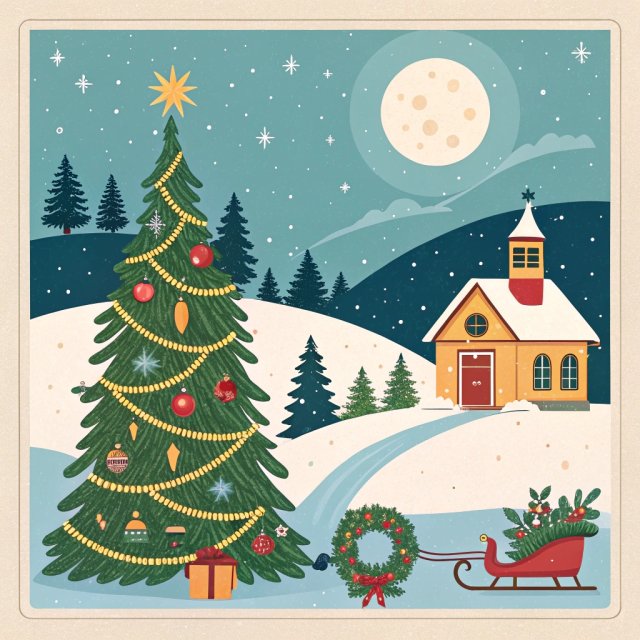
How Christmas Cards Became a Tradition
Christmas cards are one of the most recognizable parts of the holiday season. They fill mailboxes with cheerful messages, colorful designs, and warm wishes. Some are funny, some are artistic, and some focus on the Nativity story. But this tradition didn’t always exist. Christmas cards began less than 200 years ago, and their story shows how technology, creativity, and kindness came together to form a new holiday custom.
The First Christmas Card
The very first Christmas card was created in 1843 in England. A man named Sir Henry Cole, who was very busy during the holiday season, wanted a quicker way to send greetings to friends and family. Instead of writing long letters, he asked an artist, John Callcott Horsley, to design a single card he could send to many people.
The card had three panels:
-
the center showed a family celebrating together
-
the sides showed people helping the poor
-
underneath was the message: “A Merry Christmas and a Happy New Year to You.”
Sir Henry printed 1,000 copies. It was a simple idea, but it became an entirely new way to share holiday cheer.
Why Christmas Cards Became Popular
At first, only wealthy families could afford printed cards because they were expensive. But several changes helped Christmas cards spread to everyone.
Cheaper Printing
Advances in color printing made cards easier and cheaper to produce. Artists began creating colorful, detailed designs that appealed to people of all ages.
Mail Improvements
The postal system improved in the late 1800s:
-
mail became faster
-
delivery became more reliable
-
postage became cheaper
This made it easier for families to send cards to loved ones far away.
Growing Traditions
As Christmas became more family-centered, cards became a way to stay connected, share warm wishes, and celebrate the season.
Victorian Christmas Cards
During the Victorian era, Christmas cards became works of art. Some were decorated with:
-
flowers
-
winter scenes
-
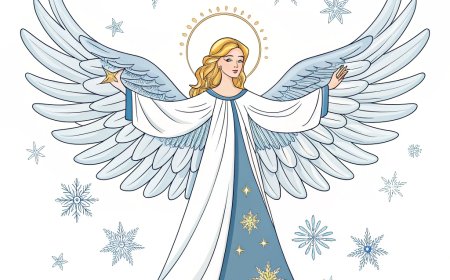
angels
-
children playing
-
animals in fancy clothing
-
humorous cartoons
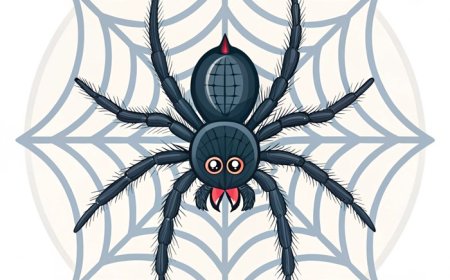
Surprisingly, some Victorian cards featured strange or spooky images, like giant insects or frogs dressed in suits. These quirky designs were fashionable at the time and showed the playfulness of early card makers.
Christmas Cards Around the World
Once Christmas cards became popular in England, they spread to other countries.
United States
American printers began creating cards with snowy landscapes, Santa Claus, and holiday cheer. One famous illustrator, Louis Prang, is often called the “Father of the American Christmas Card.”
Australia
Because Christmas is in summer, cards often show sunny beaches, wildlife, and warm weather scenes.
Germany
Germany produced some of the earliest and most detailed printed cards. Many included traditional winter landscapes and old-fashioned holiday scenes.
Asia
Christmas cards became popular in countries like Japan and the Philippines as global traditions spread. Designs often mix local art styles with classic holiday themes.
Modern Christmas Cards
Today, cards come in many forms:
-
traditional paper cards
-
photo cards
-
handmade cards
-
pop-up cards
-
musical cards
-
digital e-cards
Some families create custom cards with pictures of important memories from the year. Others enjoy choosing cards with meaningful messages or beautiful artwork.
Even with technology, paper cards remain special because they can be displayed on walls, mantels, and Christmas trees.
Why Christmas Cards Matter
Christmas cards remind people that someone is thinking of them. They bring joy, connect distant friends, and help keep traditions alive. Whether handmade or store-bought, each card carries kindness, creativity, and a personal touch.
They remain a symbol of friendship, generosity, and the spirit of the holiday season.
Kid-Friendly Summary
Christmas cards started in England in 1843 as a faster way to send holiday greetings. Better printing and cheaper mail helped them become popular. Cards spread across the world and now come in many styles, from simple designs to fancy pop-ups. Today, sending cards is a way to share kindness and stay connected during Christmas.
Fun Facts
-
✉️ The very first Christmas card sold for one shilling, which was expensive at the time.
-
🎨 Victorian cards sometimes had silly designs like dancing animals or giant insects.
-
📬 Over a billion Christmas cards are sent each year in the United States alone.
-
🎶 Some modern cards play songs or light up when opened.
Vocabulary Words
-
Postage: The cost of sending something through the mail.
-
Illustrator: An artist who creates pictures for books or cards.
-
Victorian Era: The period in England when Queen Victoria ruled.
-
Custom: A tradition practiced by a group of people.
-
Panel: A section or part of a picture or card.
Interactive Quiz
1. Who created the first Christmas card?
A. Charles Dickens
B. Sir Henry Cole
C. Louis Prang
2. Why did Christmas cards become cheaper over time?
A. New printing methods
B. Smaller envelopes
C. Fewer designs
3. What is unique about Australian Christmas cards?
A. They show summer scenes
B. They show snowstorms
C. They only use gold ink
4. What do Christmas cards help people do?
A. Cook holiday meals
B. Stay connected and share greetings
C. Decorate their cars