
















How Christmas Decorations Have Changed Over Time
Explores how Christmas decorations have evolved from ancient traditions to the modern displays we use today
How Christmas Decorations Began
Christmas decorations are one of the most festive parts of the holiday season. Homes, streets, and even entire cities glow with lights, ornaments, garlands, and colorful displays. But decorations weren’t always this bright or varied. In ancient times, holiday decorating was simple and symbolic. Over centuries, new materials, technologies, and traditions transformed Christmas decorations into the magical displays we know today.
Ancient Winter Decorations
Before Christmas existed, ancient cultures decorated their homes to celebrate the winter solstice. They used items from nature that symbolized life and hope in the darkest months of the year.
Common decorations included:
-
evergreen branches
-
holly and ivy
-
mistletoe
-
pine cones
These decorations reminded people that spring would return. They also symbolized strength, renewal, and protection.
Medieval and Early Christian Decorations
After Christianity spread across Europe, many old winter customs blended with Christmas celebrations. Churches decorated with:
-
evergreen garlands
-
candles
-
wreaths
-
simple nativity figurines
These decorations focused on the religious meaning of Christmas and were still fairly modest.
The Rise of Christmas Trees
The Christmas tree tradition began in Germany during the 1500s. Early trees were decorated with:
-
apples
-
nuts
-
cookies
-
candles
-
paper ornaments
The idea spread to other countries, especially after Queen Victoria and Prince Albert popularized it in England. Soon, families everywhere began setting up trees in their homes as a centerpiece for Christmas celebrations.
Victorian Decorations: A Time of Creativity
The Victorian era (1800s) transformed Christmas decorating in exciting ways. Families enjoyed making their own decorations using:
-
colored paper
-
ribbons
-
lace
-
dried fruits
-
hand-blown glass ornaments
Christmas crackers—paper tubes filled with trinkets and jokes—were invented during this time. Many Victorian decorations were handmade and passed down from year to year.
The Arrival of Electric Christmas Lights
Before electric lights, people used candles on their trees, which was magical but very dangerous. In the late 1800s, Thomas Edison’s team created the first electric holiday lights. By the 1920s and 1930s, string lights were common in stores and homes.
Electric lights made decorations safer and sparked a decorating revolution. People began lighting:
-
trees
-
porches
-
windows
-
city streets
This created the glowing holiday displays we still enjoy today.
Modern Christmas Decorations
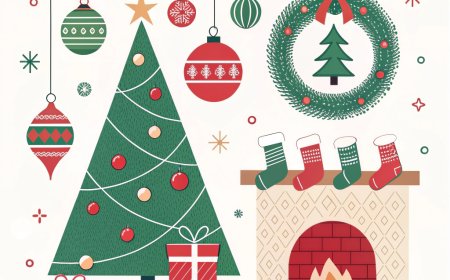
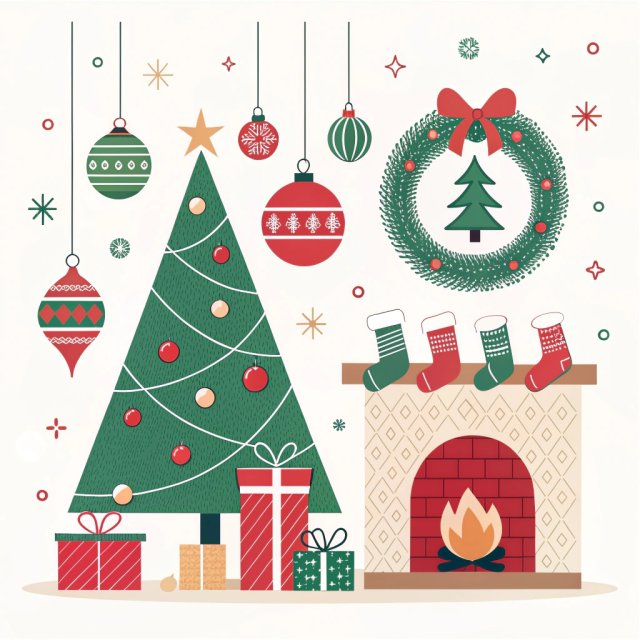
Today’s decorations come in endless styles, materials, and colors. Some of the most common include:
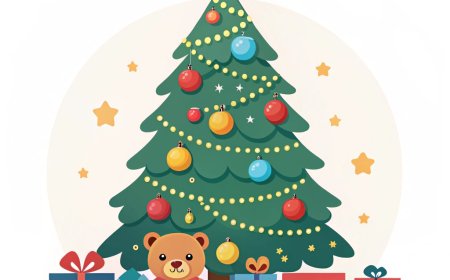
Tree Decorations
-
glass balls
-
themed ornaments
-
tinsel
-
ribbon
-
star or angel toppers
Outdoor Displays
-
light-up figures
-
inflatable characters
-
synchronized light shows
-
decorated windows
Indoor Decor
-
wreaths
-
stockings
-
table centerpieces
-
garlands
-
holiday villages
Families can choose classic, modern, rustic, or colorful styles. Some decorate with matching sets, while others use ornaments collected over many years.
New Trends in the 21st Century
Christmas decorating continues to evolve. Modern trends include:
-
LED lights for brighter, energy-saving displays
-
themed trees based on colors or hobbies
-
DIY crafts made from recycled materials
-
digital light projectors
-
eco-friendly ornaments
-
minimalist Scandinavian decor
Social media also inspires creative decorating ideas, encouraging families to experiment with new looks each year.
Why Decorations Matter
Christmas decorations help people feel joyful and connected. They bring warmth to the winter season and create traditions shared between generations. Whether simple or spectacular, decorations set the mood for celebration, togetherness, and holiday cheer.
Kid-Friendly Summary
Christmas decorations have changed a lot over time. Ancient people used evergreens, holly, and mistletoe. Later, families in Germany decorated the first Christmas trees. Victorians added handmade crafts, and electric lights made decorating brighter and safer. Today, we use ornaments, lights, wreaths, and lots of creative displays to celebrate the season.
Fun Facts
-
🎄 The first electric Christmas tree lights appeared in 1882.
-
🍬 Victorian families often decorated trees with candy.
-
❄️ Tinsel was once made from real silver!
-
⭐ The tradition of putting a star on top of the tree represents the Star of Bethlehem.
Vocabulary Words
-
Evergreen: A tree or plant that stays green all year.
-
Garland: A long strand of leaves, flowers, or decorations.
-
Victorian Era: The time when Queen Victoria ruled England.
-
DIY: Short for “do it yourself,” meaning handmade items.
-
Symbolic: Something that stands for a deeper meaning.
Interactive Quiz
1. Which country began the Christmas tree tradition?
A. France
B. Germany
C. Canada
2. What did Victorians often use to make decorations?
A. Plastic and metal
B. Lace, paper, and ribbons
C. Clay and stone
3. What invention made Christmas decorating safer?
A. TV
B. Electric lights
C. Airplanes
4. What do many modern decorations use today?
A. LED lights
B. Oil lamps
C. Paper lanterns only