































Santa Figures Around the World and Their Holiday Traditions
Highlights different gift-bringers and Santa-like figures from cultures around the world and how their traditions developed.
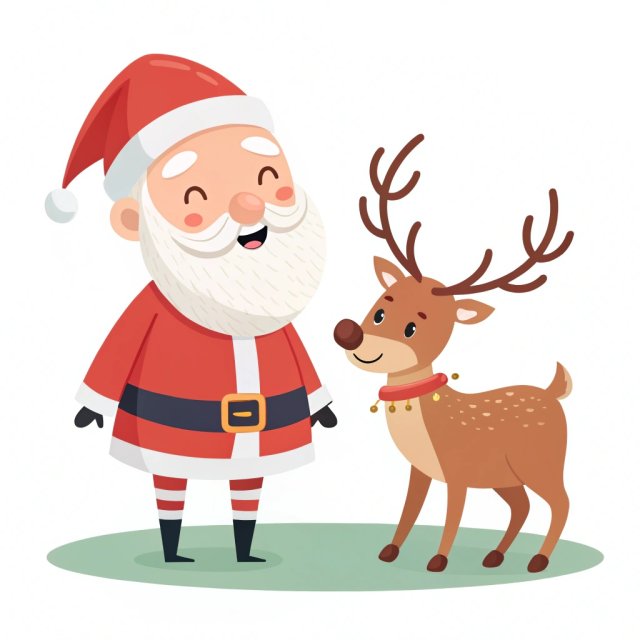
Santa Isn’t the Same Everywhere
Santa Claus is one of the world’s most famous Christmas characters, but he’s not the only one who brings gifts during the holiday season. Many cultures have their own unique figures with different names, appearances, traditions, and stories. Some wear robes instead of red suits, some travel by horse instead of sleigh, and some deliver gifts on dates other than Christmas Eve. Together, these global figures show how diverse and fascinating holiday traditions can be.
European Santa Traditions
Sinterklaas (The Netherlands & Belgium)
Sinterklaas is the main gift-bringer celebrated on December 5 or 6. He:
-
arrives by boat from Spain
-
rides a white horse
-
wears a bishop’s robe and tall hat
-
leaves gifts in children’s shoes
Sinterklaas is one of the strongest influences on the modern Santa Claus.
Father Christmas (United Kingdom)
Father Christmas is an older symbol from English traditions. He:
-
wears a long robe instead of a short jacket
-
originally represented joy, feasting, and good cheer
-
later merged with the American-style Santa image
Today he looks similar to Santa but still carries a classic, old-fashioned style.
Père Noël (France)
Père Noël brings gifts on Christmas Eve. In some regions, children leave out shoes for him to fill with treats. He may be accompanied by Père Fouettard, a folklore figure who reminds children to behave.
Ded Moroz (Russia)
Known as “Grandfather Frost,” Ded Moroz brings gifts on New Year’s Eve, not Christmas. He:
-
wears a long coat in red, silver, or blue
-
carries a magical staff
-
travels with his granddaughter Snegurochka
-
delivers gifts at winter festivals
Gift-Bringers in Southern Europe
La Befana (Italy)
La Befana is a kind, broom-riding woman who delivers gifts on January 6 (Epiphany). She gives sweets to good children and celebrates the journey of the Wise Men.
The Three Kings (Spain & Latin America)
On January 6, the Wise Men—Melchior, Gaspar, and Balthazar—bring gifts. Children leave out shoes filled with hay or grass for the kings’ camels.
Nordic and Scandinavian Traditions
Julenisse / Jultomten (Norway, Denmark, Sweden)
These figures are based on old folklore characters who protect homes and farms. They:
-
look like small, bearded gnomes
-
bring gifts
-
enjoy bowls of porridge left out by families
Modern versions blend with Santa, but the older myths remain popular.
The Yule Goat (Finland & Sweden)
In some traditions, the Yule Goat brings gifts or accompanies Christmas figures. Today it often appears as a straw decoration rather than a magical creature.
Gift-Bringers in the Americas
Santa Claus (United States & Canada)
The modern Santa is a blend of European traditions. He:
-
dresses in red
-
travels in a flying sleigh
-
enters homes through chimneys
-
delivers gifts on Christmas Eve
His image became popular through poems, illustrations, and holiday advertising.
Papa Noel (Latin America)
In many Latin American countries, Papa Noel brings gifts, often adapting local customs and tropical climates.
Grandfather Winter (Indigenous Traditions)
Some Indigenous communities have winter gift-bringers or storytellers who share lessons and bring communities together, blending Christmas with older cultural practices.
Gift-Bringers in Asia and Beyond
Hoteiosho (Japan)
A figure similar to Santa, Hoteiosho:
-
carries a bag of gifts
-
has eyes on the back of his head to watch children
-
is based on a Buddhist monk known for kindness
Australia & New Zealand
Santa is celebrated here as well, but he sometimes arrives by:
-
surfboard
-
boat
-
sleigh pulled by kangaroos
These fun twists reflect the warm summer Christmas season.
What These Figures Have in Common
Despite their differences, most Santa-like figures share:
-
generosity
-
the spirit of giving
-
love for children
-
ties to winter traditions
-
stories passed down through generations
These characters help families celebrate, teach lessons about kindness, and bring excitement to the holiday season.
Kid-Friendly Summary
Different countries have their own Christmas gift-bringers. Sinterklaas arrives by boat, Père Noël fills shoes with treats, Ded Moroz brings gifts on New Year’s, and La Befana rides a broom. Some places even have tiny gnome-like helpers or kangaroo-pulled sleighs! Each tradition shows how cultures celebrate generosity in their own way.
Fun Facts
-
🎁 Sinterklaas is much older than Santa Claus.
-
🧹 La Befana sweeps homes as she visits, symbolizing a fresh start.
-
❄️ Ded Moroz carries a magical staff said to control frost and snow.
-
🦘 In Australia, Santa may ride in a sleigh pulled by boomers—kangaroos!
Vocabulary Words
-
Folklore: Traditional stories shared by a culture.
-
Epiphany: A holiday celebrated on January 6.
-
Staff: A long stick carried as a symbol of power.
-
Tradition: A custom practiced for many years.
-
Generation: A group of people born around the same time.
Interactive Quiz
1. Who brings gifts in the Netherlands?
A. Père Noël
B. Sinterklaas
C. Hoteiosho
2. What does La Befana ride?
A. A sleigh
B. A broom
C. A camel
3. Ded Moroz delivers gifts on what day?
A. Christmas Eve
B. January 6
C. New Year’s Eve
4. Which regions celebrate with small gnome-like gift-bringers?
A. Scandinavia
B. South Africa
C. Brazil