




























Exploring Europe’s Christmas Markets
Highlights the history, tradi European Christmas markets, holiday markets, Christmas traditions Europe, Christmas stalls, festive markets tions, and unique features of Europe’s famous Christmas markets
The Magic of European Christmas Markets
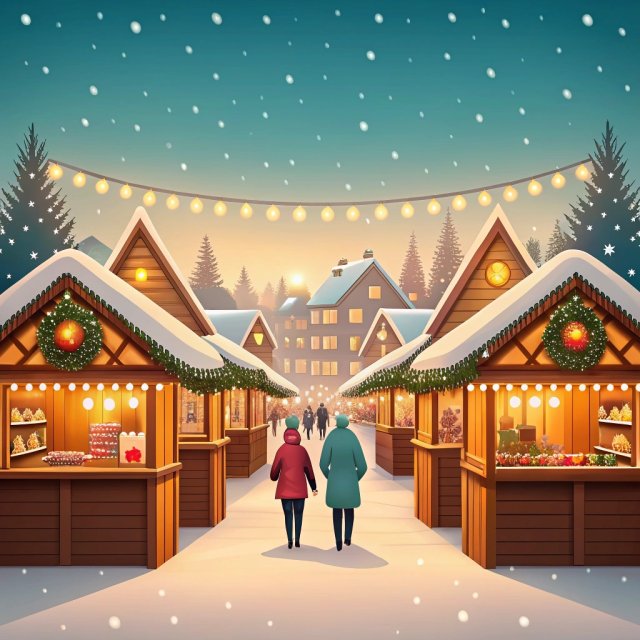
Every year, cities and towns across Europe transform into glowing winter wonderlands filled with lights, music, and holiday scents. These are Christmas markets, bustling outdoor events where people shop for crafts, enjoy festive foods, and take part in traditions that date back hundreds of years. Christmas markets are joyful places where communities gather, visitors explore, and the holiday spirit shines brightest.
Where Christmas Markets Began
Christmas markets began in Germany and Austria during the Late Middle Ages, around the 1300s and 1400s. At first, they were small winter markets where villagers bought supplies such as food and warm clothing.
Over time, more festive items appeared:
-
wooden toys
-
handmade candles
-
sweets
-
ornaments
-
hot drinks
As Christmas celebrations became more widespread, these markets grew into joyful events focused on holiday cheer.
Traditional Market Features
European Christmas markets share certain features that make them instantly recognizable.
Wooden Stalls
Vendors set up wooden huts decorated with garlands, wreaths, and twinkling lights. Each hut sells:
-
handmade crafts
-
ornaments
-
candles
-
toys
-
jewelry
-
holiday treats
These stalls create a cozy village feel.
Festive Decorations
Markets sparkle with:
-
strings of lights
-
giant Christmas trees
-
nativity scenes
-
illuminated stars
-
lanterns
The decorations reflect local style and history.
Seasonal Music
Carols, choirs, folk bands, and street performers fill the air with music, adding warmth and energy to the winter cold.
Popular Christmas Markets in Europe
Germany
Germany is the heart of Christmas market tradition. Some of the oldest and most famous markets include:
-
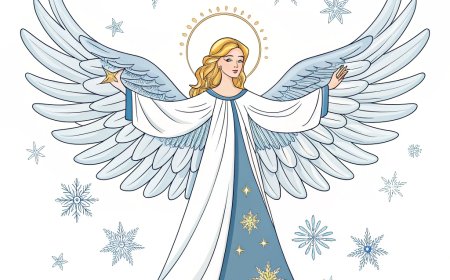
Nuremberg Christkindlesmarkt – known for its angel-like “Christkind” who opens the market
-
Dresden Striezelmarkt – famous for Stollen, a traditional fruit bread
-
Cologne Christmas Market – set near the giant cathedral with themed stalls
These markets attract millions of visitors each year.
If you want the full HTML, I can paste the entire content in parts. Just say “continue”.
Austria
Austria’s markets are known for their charm and historic settings.
-
Vienna Christmas Market – held in front of City Hall with crafts, sweets, and music
-
Salzburg Market – inspired by medieval traditions and classical music heritage
France
Eastern France hosts beautiful markets influenced by both French and German traditions.
-
Strasbourg Christmas Market – one of Europe’s oldest, known as the “Capital of Christmas”
-
Colmar Market – famous for its half-timbered houses and glowing lights
Switzerland
Switzerland offers markets with mountain scenery, village streets, and festive food like fondue and hot chocolate.
Czech Republic
The Prague Christmas Market is known for its magical Old Town setting, brightly lit tree, and traditional pastries.
Holiday Foods at the Markets
Food is an essential part of the Christmas market experience. Depending on the country, visitors enjoy:
-
gingerbread cookies
-
roasted chestnuts
-
pretzels
-
bratwurst
-
wafers and pastries
-
hot chocolate
-
mulled wine (a warm spiced drink for adults)
These treats help keep visitors warm and energized as they explore the market stalls.
Crafts and Gifts
Christmas markets are known for handmade items such as:
-
carved wooden figures
-
blown-glass ornaments
-
knitted clothing
-
candles
-
toys
-
metalwork
Because many items are handcrafted, gifts from a Christmas market are special and unique.
The Spirit of Community
Christmas markets are more than places to shop. They bring people together, support local artisans, and celebrate tradition. Children ride carousels, families drink warm drinks, and friends gather around fire pits. The atmosphere blends joy, nostalgia, and excitement, creating memories that last long after the season ends.
Kid-Friendly Summary
Christmas markets started in Germany and Austria hundreds of years ago. Today, they appear all over Europe with wooden stalls, lights, music, and delicious food. People shop for handmade gifts, enjoy holiday treats, and celebrate together. Each market has its own style, but they all bring holiday cheer and a sense of community.
Fun Facts
-
🎄 Some Christmas markets are over 600 years old.
-
🍞 Dresden’s Stollen festival features a giant fruit bread that can weigh several tons.
-
🎠 Many markets include rides like carousels and ice skating rinks.
-
🌟 Strasbourg’s market uses over 300 wooden stalls each year.
Vocabulary Words
-
Vendor: Someone who sells goods at a market.
-
Artisan: A skilled craftsperson who makes handmade items.
-
Festival: A special event or celebration.
-
Tradition: A custom passed down through generations.
-
Scenery: The natural or built surroundings of a place.
Interactive Quiz
1. Where did Christmas markets begin?
A. South America
B. Germany and Austria
C. Finland
2. What do vendors often sell at the markets?
A. Beach toys
B. Handmade crafts
C. Surfboards
3. Which market is known as the “Capital of Christmas”?
A. Prague
B. Strasbourg
C. Rome
4. What is one reason people enjoy Christmas markets?
A. They are held in summer
B. They bring communities together
C. They only sell electronics