













































How Holiday Shopping Became a Christmas Tradition
Explores how Christmas shopping developed over time, from simple handmade gifts to the busy shopping season we know today
How Holiday Shopping Began
Holiday shopping is a major part of the Christmas season today, but it wasn’t always this big or busy. In the past, people made gifts by hand, purchased simple items from local markets, or exchanged small treats. Over time, new inventions, growing cities, and advertising helped turn Christmas shopping into an exciting tradition filled with decorations, music, and crowded stores. Understanding how holiday shopping developed shows how much society and the celebration of Christmas have changed.
Handmade Gifts in Early Times
Before modern stores existed, families often made gifts at home. These homemade presents included:
-
knitted clothing
-
baked goods
-
wooden toys
-
candles
-
simple crafts
Small local markets offered basic items, but the idea of “Christmas shopping” didn’t yet exist. The focus was on giving meaningful, useful gifts made with care.
The Rise of Christmas Commerce in the 1800s
The 19th century transformed Christmas into a more commercial holiday.
Department Stores Appear
Large department stores opened in growing cities. They created:
-
holiday window displays
-
toy departments
-
seasonal gift sections
These stores helped spread the tradition of shopping for Christmas gifts.
Christmas Advertisements
Stores began printing colorful Christmas ads in newspapers and magazines. These ads:
-
featured toys and decorations
-
encouraged families to buy gifts
-
helped shape holiday traditions
Influence of Literature
Books like “A Christmas Carol” encouraged generosity, making gift-giving more important during the season.
Early 1900s: Christmas Becomes a Shopping Season
As factories grew, more toys and household items became affordable. This made it easier for families to buy gifts rather than only make them.
Santa Claus in Stores
Stores began hosting Santa Claus to entertain children and bring more families into their shops.
Holiday Parades
Parades, such as the famous one by Macy’s, drew crowds and launched the shopping season with excitement.
Mail-Order Catalogs
Companies like Sears sent catalogs to homes, allowing families in rural areas to order Christmas gifts by mail.
Mid-1900s: Shopping Becomes a Tradition
By the mid-20th century, holiday shopping was a major cultural event.
Christmas Music and Decorations in Stores
Shops filled with:
-
lights
-
tinsel
-
Christmas trees
-
festive music
Families began making annual trips to buy toys, clothing, and holiday treats.
Television Boom
TV commercials encouraged families to buy new toys, games, and holiday products. Popular shows also helped introduce “must-have” holiday items.
Late 1900s: The Birth of Black Friday
In the late 20th century, the day after Thanksgiving became known as Black Friday, the unofficial start of holiday shopping in the United States.
Black Friday included:
-
big sales
-
long lines
-
doorbuster deals
-
early morning store openings
It quickly became one of the busiest shopping days of the year.
21st Century: Online Shopping Changes Everything
Today, holiday shopping extends far beyond malls and department stores.
Online Shopping
Families now buy gifts on websites that deliver straight to their homes. This introduced:
-
Cyber Monday
-
online-only deals
-
digital wish lists
-
personalized recommendations
Worldwide Popularity
Many countries now have their own holiday shopping events inspired by Black Friday.
Holiday Markets
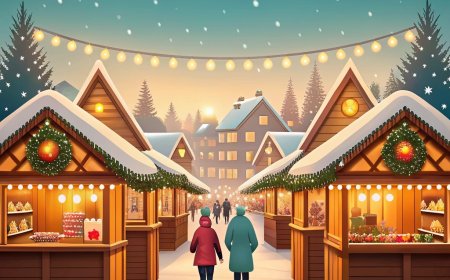
Despite digital shopping, traditional Christmas markets remain popular for handmade gifts and festive treats.
The Meaning Behind Holiday Shopping
Although shopping has become a big part of Christmas, the true meaning of gift-giving remains the same: showing love, generosity, and thoughtfulness. Whether a gift is purchased or handmade, it carries the spirit of giving that has always been at the heart of the holiday season.
Kid-Friendly Summary
Holiday shopping began with handmade gifts. As stores, factories, and advertisements grew, people started buying toys, clothes, and treats for Christmas. Department stores, parades, and Santa visits made shopping fun. Later came Black Friday and online shopping. Today, holiday shopping is busy and exciting, but it still focuses on giving to others.
Fun Facts
-
🎁 The first department store Santa appeared in 1890.
-
📬 Early mail-order catalogs let families buy Christmas gifts from far away.
-
🛍️ Black Friday became popular in the 1960s.
-
💻 Cyber Monday was created in 2005 as online shopping grew.
Vocabulary Words
-
Commerce: Buying and selling goods.
-
Catalog: A booklet listing products for sale.
-
Advertisement: A message that encourages people to buy something.
-
Tradition: A repeated custom or practice.
-
Deal: A reduced price or special offer.
Interactive Quiz
1. What were early Christmas gifts often made by?
A. Factories
B. Families at home
C. Robots
2. What major event helped department stores attract Christmas shoppers?
A. Holiday parades
B. Summer fairs
C. Sports games
3. What is Black Friday?
A. A Halloween holiday
B. A day of big shopping discounts
C. A winter festival
4. What changed holiday shopping in the 21st century?
A. More carolers
B. Bigger malls
C. Online shopping