





























The Origins of Christmas Explained for Kids
how Christmas began, why December 25 is celebrated, and how traditions developed around the world
What Is Christmas?
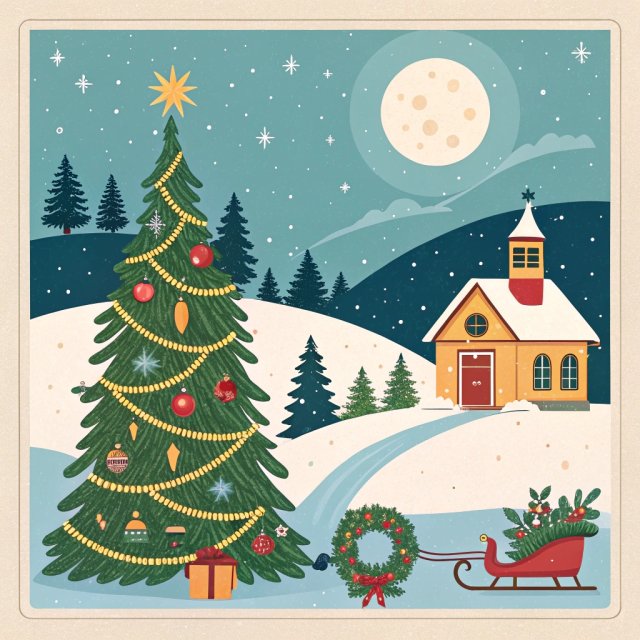
Christmas is a holiday celebrated on December 25 every year. For Christians, it marks the birth of Jesus Christ, an important religious leader whose teachings shaped one of the world’s major religions. People attend church services, sing carols, and gather with family.
But Christmas is also celebrated by millions of people who enjoy it for its themes of kindness, generosity, light, and togetherness. That’s why it has both religious and cultural importance today.
Why December 25?
No one knows the exact day Jesus was born, and the Bible does not give a date. Early Christian leaders made the decision to celebrate on December 25 around the 4th century.
They chose this date for several reasons:
A Time of Hope
In ancient times, winter was harsh. Short days, long nights, and cold weather made people feel worried about survival. Celebrating during this time helped lift spirits.
Winter Festivals
Many cultures already had festivals around late December, such as:
-
Saturnalia (Rome): feasting, gift-giving, decorations
-
Yule (Germanic and Norse cultures): fires, feasts, evergreen symbols
-
Sol Invictus (Rome): celebrating the “Unconquered Sun” as days began to lengthen
Choosing December 25 helped early Christians blend familiar traditions into their new celebration.
How Christmas Traditions Began
As Christmas spread across Europe, different regions added their own customs. Many of these later became part of modern celebrations.
Food Traditions
Countries created special dishes for the holiday:
-
fruitcake
-
gingerbread
-
roasted meats
-
spiced drinks
These foods symbolized warmth and abundance during cold winters.
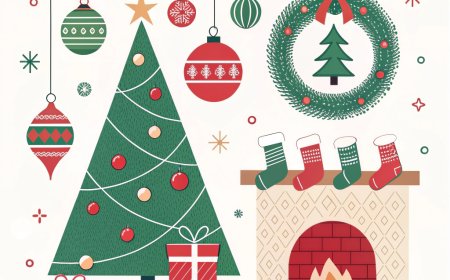
Decorations
Early Christmas decorations included:
-
evergreens, symbolizing life
-
candles, symbolizing hope and light
-
nativity scenes, telling the story of Jesus’s birth
Gift-Giving
This grew from several traditions:
-
The Wise Men brought gifts to baby Jesus.
-
Romans exchanged gifts during Saturnalia.
-
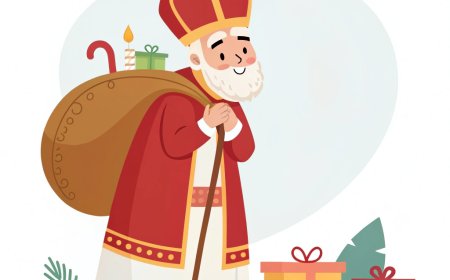
St. Nicholas became famous for giving to the poor.
All these influences merged into the custom of exchanging presents with family and friends.
Christmas Spreads Around the World
Christmas was brought to many regions by explorers, missionaries, and traders. Each culture shaped the holiday in its own way.
Europe
Most European countries added unique traditions—like Christmas markets in Germany or the Yule log in France.
North America
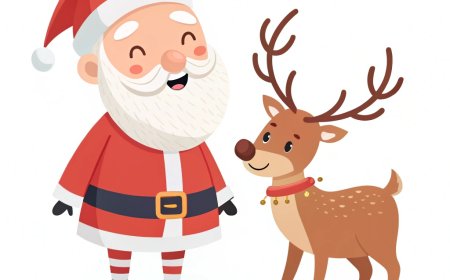
Early settlers from the Netherlands, Germany, England, and other countries brought their customs. Over time, these blended together into the modern American Christmas with trees, stockings, Santa Claus, and holiday music.
Global Celebrations Today
Christmas is now celebrated:
-
in warm and cold climates
-
with religious and non-religious traditions
-
with local foods, music, and celebrations
While customs differ, the themes of kindness, giving, and joy remain the same.
Kid-Friendly Summary
Christmas began as a celebration of the birth of Jesus Christ, but it also grew from ancient winter festivals that brought joy and hope during the darkest part of the year. Over thousands of years, Christmas blended religious beliefs, cultural traditions, and fun customs into the holiday we celebrate today.
Fun Facts
-
🎄 The first recorded Christmas celebration was in the year 336 in Rome.
-
🌟 “Xmas” isn’t disrespectful—the “X” comes from an ancient Greek letter meaning “Christ.”
-
🎁 In the Middle Ages, Christmas lasted 12 days, which is where “The Twelve Days of Christmas” comes from.
Vocabulary Words
-
Tradition: A repeated custom passed down through generations.
-
Nativity: The story of Jesus’s birth.
-
Festival: A special celebration or holiday event.
-
Evergreen: A plant that stays green all year.
-
Culture: The beliefs and customs of a group of people.
Interactive Quiz
1. Why did early Christians choose December 25 for Christmas?
A. It was the warmest day
B. It connected with winter festivals already being celebrated
C. It was written in the Bible
2. Which ancient Roman festival influenced Christmas traditions?
A. Lantern Day
B. Saturnalia
C. Frost Feast
3. What symbol did people use to show life during winter?
A. Evergreen plants
B. Seashells
C. Firecrackers
4. What is a tradition?
A. A type of decoration
B. A custom passed down over time
C. A winter fruit