

































What Are Natural Disasters? Types, Causes, and Safety Tips for Student
Learn about natural disasters like earthquakes, floods, hurricanes, and wildfires. Discover their causes, effects, and how to stay safe during emergencies
🌍 Natural Disasters: Earth’s Most Powerful Events
🎯 Introduction
Sometimes Earth can be wild and unpredictable. A shaking ground, a roaring storm, a rushing wall of water—these are examples of natural disasters, powerful events caused by nature that can happen without warning.
Natural disasters come in many forms: earthquakes, volcanoes, floods, hurricanes, wildfires, and more. Each one can change landscapes, damage homes, and affect people’s lives. But by understanding them, we can learn how to prepare and stay safe.
In this article, you'll learn what natural disasters are, what causes them, and what to do when they happen.
🌪️ What Is a Natural Disaster?
A natural disaster is a sudden and extreme event caused by natural forces that can damage the environment and human life. These disasters are not caused by people, but by Earth’s systems like weather, climate, and tectonic movement.
Some are fast and violent, like an earthquake. Others build up over time, like a drought.
🔥 Types of Natural Disasters
Here are the major types of natural disasters and what causes them:
1. Earthquakes
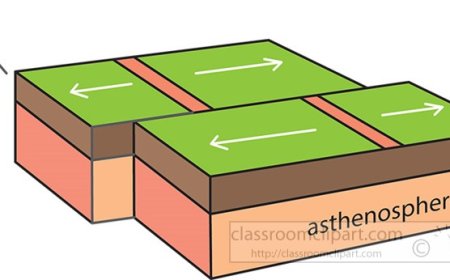
- Caused by tectonic plates shifting along faults
- Can shake the ground and damage buildings
- May cause tsunamis
2. Volcanoes
- Caused by magma rising and erupting from Earth’s crust
- Can release lava, ash, and toxic gases
- May form new land or mountains
3. Tsunamis
- Giant ocean waves caused by underwater earthquakes or volcanoes
- Can flood coastlines and destroy communities
4. Hurricanes (Typhoons/Cyclones)
- Powerful rotating storms that form over warm oceans
- Bring strong winds, heavy rain, and flooding
- Called different names in different parts of the world
5. Tornadoes
- Rotating columns of air that touch both the cloud and the ground
- Form during strong thunderstorms
- Can cause severe damage in a narrow path
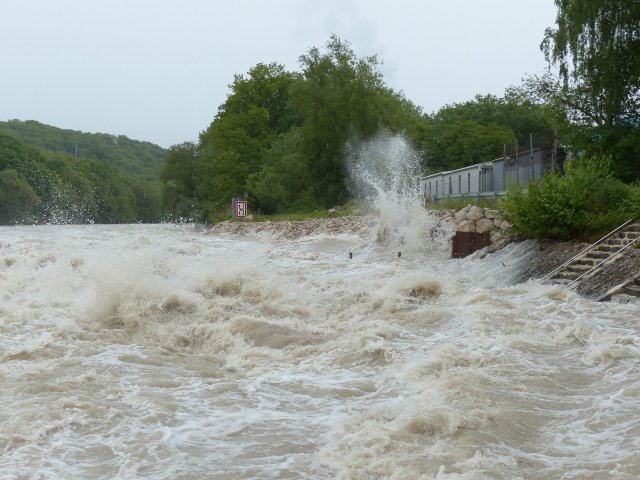
6. Floods
- Caused by heavy rain, overflowing rivers, or hurricanes
- Water covers land that’s normally dry
- Can destroy homes and wash away roads
7. Wildfires
- Uncontrolled fires in forests or grasslands
- Caused by lightning, drought, or human activity
- Spread quickly in dry, windy weather
8. Droughts
- Long periods with little or no rainfall
- Lead to crop failure, water shortages, and wildfires
9. Landslides and Mudslides
- Ground or rock slides downhill after heavy rain or earthquakes
- Can bury homes or roads
🔍 Why Do Natural Disasters Happen?
Each natural disaster has a scientific cause:
- Earthquakes & volcanoes: caused by tectonic plate movement
- Storms & floods: caused by weather systems and ocean temperatures
- Wildfires: caused by heat, dry plants, and wind
- Droughts: caused by long-term climate patterns
Sometimes, one disaster can lead to another:
- An earthquake can cause a tsunami
- A hurricane can cause floods and landslides
🛡️ How Can We Stay Safe?
General Safety Tips:
- Have a family emergency plan
- Keep an emergency kit with food, water, flashlight, batteries, and first aid
- Know safe places to go during storms or quakes
- Listen to weather warnings or alerts
Example:
If a hurricane is coming:
- Stay indoors
- Move to higher ground if flooding starts
- Follow evacuation orders if needed
🧬 Scientific Tools That Help Predict Disasters
Scientists use tools to study and warn about disasters:
- Seismographs detect earthquakes
- Satellites track storms and fires
- Rain gauges and weather radar measure rainfall
- Volcano sensors monitor gas and ground movement
These tools help communities prepare and reduce harm.
🌍 Famous Natural Disasters in History
| Disaster Type | Location/Year | Effects |
|---|---|---|
| Earthquake | Haiti, 2010 | 7.0 quake, over 200,000 lives lost |
| Volcano | Mount Vesuvius, AD 79 | Buried Pompeii under ash |
| Tsunami | Indian Ocean, 2004 | Massive tsunami killed over 230,000 people |
| Hurricane | Katrina, USA, 2005 | Flooded New Orleans, over 1,800 lives lost |
| Wildfire | Australia, 2020 | Burned 47 million acres, killed 3 billion animals |
🌟 Interesting Facts
- Tornadoes can spin at over 300 miles per hour
- Lightning can cause wildfires during dry seasons
- The Ring of Fire is the most active volcanic region on Earth
- Japan has thousands of earthquakes each year
- A single hurricane can release more energy than 1 million atomic bombs
🧠 Kid-Friendly Summary
Natural disasters are powerful events like earthquakes, hurricanes, and floods that happen in nature. They can be dangerous, but scientists study them to help us stay safe. When we know what to do, we can protect ourselves and help others too.
✨ Key Takeaways
- Natural disasters are caused by Earth’s natural forces
- Types include earthquakes, volcanoes, hurricanes, floods, and more
- Scientists use tools to predict and track disasters
- Knowing safety steps helps save lives
- Many disasters are linked to Earth’s systems and weather
📖 Vocabulary Words
| Word | Definition |
|---|---|
| Natural Disaster | A dangerous natural event that harms people/land |
| Tectonic Plate | A section of Earth’s crust that moves |
| Hurricane | A giant spinning storm with strong winds and rain |
| Earthquake | Shaking of the ground from shifting plates |
| Volcano | Mountain that erupts lava, ash, and gases |
| Tsunami | Giant ocean wave caused by an earthquake or volcano |
| Flood | Overflow of water onto normally dry land |
| Wildfire | Large uncontrolled fire in nature |
| Drought | Long time without rain |
| Seismograph | Tool that measures earthquakes |