































The History and Traditions of the Christmas Tree
Explores how the Christmas tree began, why evergreens became symbols of hope, and how the tradition spread and changed over time
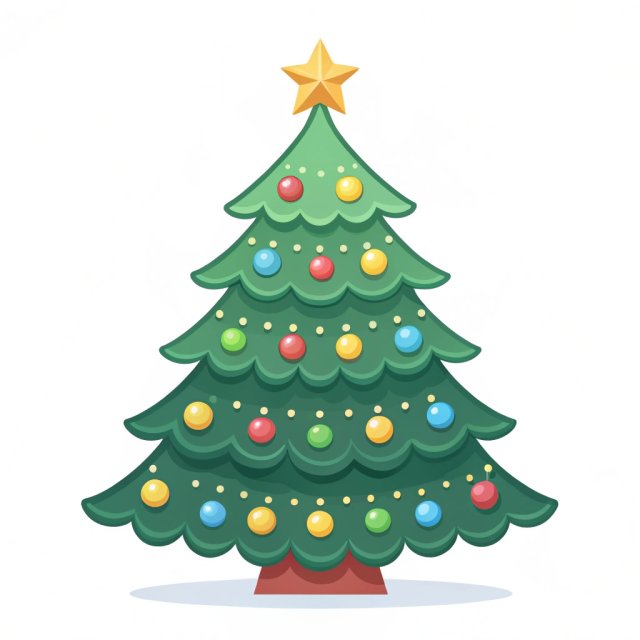
The Story of the Christmas Tree
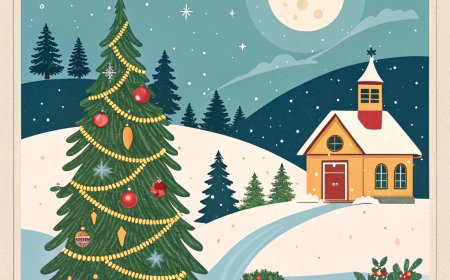
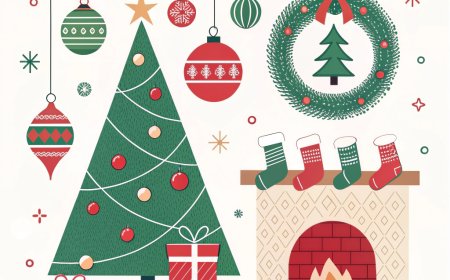
Christmas trees are one of the most recognizable symbols of the holiday season. Every winter, families around the world decorate evergreens with lights, ornaments, and shiny tops. But the tradition is much older than modern Christmas. It began with ancient winter celebrations long before electricity, ornaments, or even the idea of Christmas existed.
Evergreens as Symbols of Life
In ancient times, people noticed that evergreen trees stayed green all year, even during freezing winters. Civilizations such as the Egyptians, Celts, Romans, and Norse viewed evergreens as symbols of:
-
Strength
-
Hope
-
Life continuing during dark winters
During the winter solstice, these cultures placed evergreen branches in their homes to remind them that spring would return. This idea later helped inspire the Christmas tree tradition.
The First Christmas Trees in Europe
The modern Christmas tree tradition began in Germany during the 1500s. People brought entire evergreen trees indoors and decorated them with simple items such as:
-
apples
-
nuts
-
gingerbread
-
small candles
-
handmade ornaments
These early trees represented joy and the promise of brighter days. Over time, the practice spread to nearby countries. By the 1600s and 1700s, decorated Christmas trees were common in many parts of Europe.
How Christmas Trees Reached England and America
Germany played the biggest role in shaping the tradition. When German families moved to England and America, they carried the custom with them.
Queen Victoria and Prince Albert
The Christmas tree became widely popular after a magazine illustration showed Queen Victoria and her German-born husband, Prince Albert, celebrating around a decorated tree. Their influence helped make the tree fashionable across the English-speaking world.
American Traditions Grow
German immigrants in North America decorated trees with candles, popcorn strings, paper ornaments, and cookies. As communities grew, the Christmas tree quickly became a major part of holiday celebrations.
Electric Lights and New Styles
In the late 1800s, electricity changed Christmas forever. Instead of dangerous candles, families could use safer string lights. These early electric lights were expensive, but they became more affordable over time.
By the 1900s:
-
glass ornaments were mass-produced
-
tinsel became popular
-
themed decorations appeared
-
artificial trees were invented
Today, some families use real trees, others use artificial ones, and some decorate multiple trees with different themes.
The Meaning of Christmas Trees Today
The Christmas tree has become a global symbol of the season. It represents warmth, celebration, and togetherness. Many families enjoy choosing their tree, decorating it with personal ornaments, and placing gifts beneath its branches.
Whether simple or extravagant, every tree carries the spirit of hope, joy, and tradition—much like the evergreens that inspired the tradition thousands of years ago.
Kid-Friendly Summary
Christmas trees started long ago when people used evergreens to bring hope during winter. Germans later created the first decorated Christmas trees, and the tradition spread to England and America. Today, we use lights, ornaments, and special decorations to make our trees bright and joyful. The Christmas tree has become a worldwide symbol of celebration and togetherness.
Fun Facts
-
🎄 The first artificial trees were made of dyed goose feathers in Germany.
-
💡 Thomas Edison’s team created the first electric Christmas lights in the 1880s.
-
⭐ Some countries place a star on top to represent the Star of Bethlehem, and others use an angel.
-
🌲 Real Christmas trees grow for 8–12 years before they are tall enough to sell.
Vocabulary Words
-
Evergreen: A tree that stays green throughout all seasons.
-
Solstice: The time of year when the day is shortest or longest.
-
Ornament: A decoration used to adorn something, such as a tree.
-
Tradition: A custom or activity passed down over time.
-
Symbol: Something that stands for or represents an idea.
Interactive Quiz
1. Which country began the modern Christmas tree tradition?
A. Italy
B. Germany
C. Australia
2. Why were evergreens important to ancient cultures?
A. They changed colors
B. They stayed green in winter
C. They produced fruit
3. What made decorating trees safer in the late 1800s?
A. Stronger branches
B. Artificial trees
C. Electric lights
4. Who helped make Christmas trees popular in England?
A. George Washington
B. Queen Victoria and Prince Albert
C. The Wright Brothers