































The History of Christmas Cards for Kids
Discover how Christmas cards began, how they’ve changed over time, and why they’re still a special way to share holiday cheer.
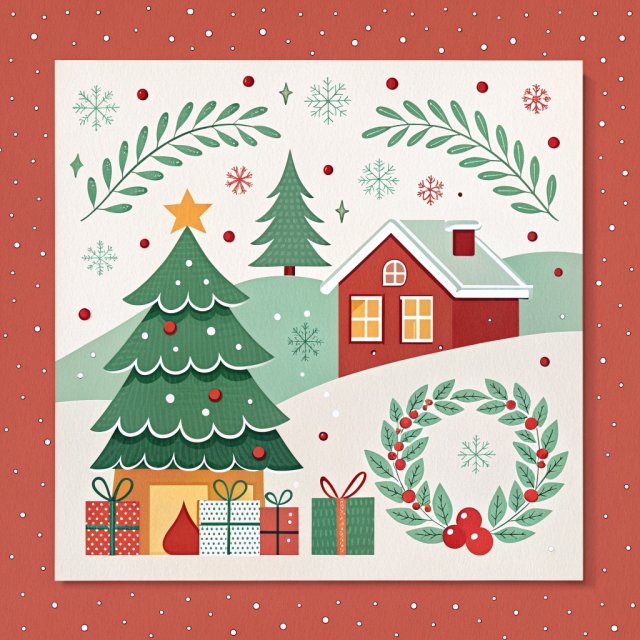
💌 The History of Christmas Cards
Every December, mailboxes fill up with red and green envelopes. Inside are Christmas cards with snowflakes, Santa, and kind holiday wishes. Some cards are sparkly, some are funny, and some have pictures of the people who sent them. They’re more than just paper — they’re a tradition full of kindness and connection.
But have you ever wondered where the first Christmas card came from?
🕰️ The Very First Christmas Card
Christmas cards began almost 200 years ago in England.
In 1843, a man named Sir Henry Cole had too many friends to write long letters to each one during the holidays. He came up with a new idea: one short message on a decorated card that could be mailed quickly. He asked an artist named John Callcott Horsley to design the first one.
The card showed a family celebrating, with people eating and raising glasses. It also showed people giving food and clothes to the poor — reminding everyone of the true Christmas spirit.
Sir Henry printed 1,000 copies of the card and sold them for a small price. People loved it! Soon, sending cards for Christmas became a new holiday tradition.
✉️ How Cards Spread Around the World
The idea of sending Christmas cards became popular in Britain first. By the late 1800s, the tradition had spread to Europe, America, and even Australia. At first, the cards were made by hand and only wealthy families could afford them.
But when printing machines improved and postage became cheaper, almost everyone could join in. Card makers started using bright inks, gold foil, and raised patterns to make cards more beautiful.
People began mailing cards to family far away, giving cards to teachers and neighbors, or placing them on the mantle as decoration.
By the early 1900s, millions of Christmas cards were sent each year!
🖼️ What Christmas Cards Looked Like Over Time
Early Christmas cards were more like paintings. Some showed churches in the snow, robins, or angels. Others had flowers, children sledding, or families singing carols.
In the 1900s, artists added:
-
Santa Claus with rosy cheeks
-
Reindeer flying through the sky
-
Snow-covered homes and jingle bells
-
Funny cartoons and jokes
Today, cards come in many styles:
-
Photo cards with pictures of your family
-
Pop-up cards that open into 3D shapes
-
Handmade cards with buttons, ribbons, and glitter
-
Digital e-cards sent by email or phone
Whether printed or digital, the meaning is still the same: sharing joy and holiday cheer.
💖 Why Christmas Cards Are Still Important
Even with texting, video calls, and emails, many people still love sending and receiving Christmas cards.
Why?
Because cards make people feel:
-
Special — someone thought about you
-
Connected — even if you’re far away
-
Happy — kind words feel good to read
Some families display all their cards on walls or string them across a doorway. Others save favorite cards year after year in a box or scrapbook. They’re little paper treasures full of memories.
🧠 Vocabulary List
| Word | Kid-Friendly Definition |
|---|---|
| Tradition | Something people do every year or often |
| Greeting | A kind message to say hello or good wishes |
| Artist | A person who creates drawings or designs |
| Foil | A shiny, thin metal used to decorate cards |
| Connected | Feeling close to someone, even from far away |
✏️ Kid-Friendly Summary
Christmas cards began in the 1840s in England to share kind holiday wishes. They became a fun way for people to stay connected with friends and family. Cards changed styles over time — from paintings to photos to glittery crafts — but they still carry the same message: “I care about you!”
❓ Interactive Quiz (5 Questions)
1. Who created the first Christmas card?
A. Santa Claus
B. An artist in America
C. Sir Henry Cole
D. A Christmas elf
2. When was the first card made?
A. 1943
B. 1843
C. 2003
D. 1643
3. What did early cards often show?
A. Robots and spaceships
B. People playing video games
C. Winter scenes, angels, and candles
D. Dinosaurs
4. Why are Christmas cards special?
A. They taste good
B. They remind people they’re loved
C. They tell jokes
D. They come with candy
5. What do some families put inside their cards?
A. Toys
B. Puzzles
C. Long letters with family news
D. Confetti