
















Djembe Drum Facts for Students | Learn How the Djembe Works and Its African Roots
Discover the djembe: its parts, how it's played, its deep history in West African culture, and more. Learn fun facts and explore famous djembe drummers in this student-friendly guide.
🥇 Introduction
The djembe is a goblet-shaped hand drum from West Africa known for its powerful sound and ability to speak through rhythm. It's played with bare hands and can produce a wide range of tones—from deep, thundering bass to bright, cracking slaps. The djembe is used in ceremonies, celebrations, storytelling, and drumming circles around the world. Whether played solo or in a group, the djembe is all about communication, community, and rhythm.
🎶 What Is a Djembe?
A djembe (pronounced “JEM-bay”) is a large, rope-tuned drum traditionally carved from a single piece of wood and topped with a goat skin drumhead. It is played with the hands and can produce three main tones:
Bass – a low sound played in the center of the drum
Tone – a rounded sound played near the edge with flat fingers
Slap – a sharp, high-pitched sound made with quick fingers on the rim
Djembe rhythms are often part of a larger ensemble that includes bells, shakers, and dununs (bass drums), forming the musical heartbeat of West African communities.
🧩 Parts of the Djembe
Even though it's one instrument, the djembe includes several parts that each help create its rich, full sound:
Drumhead – Made from goat skin, stretched tight to create vibration
Shell – Carved from a single log (like African mahogany), shaped like a goblet
Rope system – Holds and tunes the drumhead using tension
Rings – Metal or wooden rings that secure the drumhead and rope
Bowl and foot – The bowl is the large top part where sound resonates, and the narrow bottom (foot) helps project the sound outward
Most djembes are about 24 inches tall and are often beautifully carved or decorated.
⚙️ How Does the Djembe Work?
The djembe works by vibrating the stretched skin head when it is struck. The shape of the shell allows sound to resonate and amplify, while the tight rope system keeps the head under tension.
Different hand techniques create different tones:
Bass: Use your palm to strike the center for a deep sound
Tone: Strike near the edge with flat fingers for a warm tone
Slap: Use loose fingers quickly near the rim for a sharp, bright sound
Playing the djembe requires control, timing, and listening. In a group, players keep complex rhythms that layer together to form musical conversations.
📜 History of the Djembe
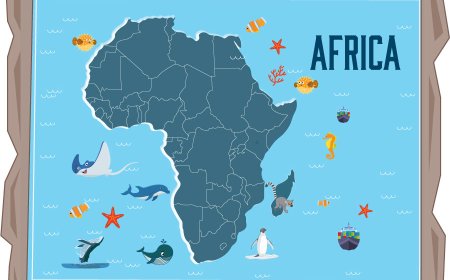
The djembe comes from West Africa, especially from countries like Mali, Guinea, Senegal, Burkina Faso, and Ivory Coast. It is believed to be over 800 years old and was first developed by the Mandé people.
The drum was traditionally used in:
Village celebrations
Rituals and storytelling
Harvest festivals and births
Healing and communication between communities
Djembe playing was often led by a master drummer, who would guide the rhythm and interact with dancers.
In the 20th century, the djembe spread beyond Africa and became a symbol of global drumming culture, popular in schools, music therapy, drum circles, and professional performances.
🥁 Famous Djembe Players
These artists are known for mastering and spreading djembe drumming around the world:
Mamady Keïta – A world-renowned master drummer from Guinea and djembe ambassador
Famoudou Konaté – A traditional master from the Malinké people, known for his deep cultural work
Fode Bangoura – A modern djembe artist who teaches and performs globally
Bolokada Conde – A dynamic performer and teacher known for high-energy concerts
M’Bemba Bangoura – Performer and educator bringing West African rhythms to the world
These drummers have inspired countless students and audiences through the spirit and precision of djembe playing.
🎶 Learning to Play the Djembe
Learning the djembe is exciting and interactive. It teaches students coordination, rhythm, listening skills, and cultural appreciation.
Beginner drummers learn to:
Sit properly and tilt the drum for sound projection
Play the three main tones: bass, tone, and slap
Keep a steady beat and follow call-and-response patterns
Listen and play in a drum ensemble
Learn traditional West African rhythms and respect their origins
Playing the djembe builds teamwork and confidence, and it’s fun to explore both soloing and group drumming.
😄 Fun Facts About the Djembe
The word “djembe” comes from a Malinké phrase meaning “everyone gather together in peace.”
No two djembes sound exactly the same—they're often handmade.
A master drummer can lead a whole village of dancers with just rhythm!
Some djembe rhythms are so old, they’ve been passed down for hundreds of years.
You can change a djembe's pitch by tightening the rope tuning system.
Djembe is often used in healing, celebration, and teaching rhythm through storytelling.
👧 Kid-Friendly Summary
The djembe is a big hand drum from Africa that you play with your hands. It can make low, medium, and high sounds, and it's used in dances and parties. Djembes are often decorated and made from wood and animal skin. Playing the djembe is super fun, and people all over the world love to drum together!
📚 Vocabulary Words
Djembe – A hand drum from West Africa, played with bare hands
Bass – A low sound made by hitting the center of the drum
Tone – A middle sound made near the edge with flat fingers
Slap – A high-pitched, quick sound made near the rim
Shell – The wooden body of the djembe
Drumhead – The skin on top of the drum
Rope Tuning – The system of ropes that keeps the drumhead tight
Mandé – A group of peoples in West Africa where the djembe originated
❓ Interactive Quiz
1. Where did the djembe come from?
A. South America
B. West Africa ✅
C. Asia
D. North America
2. What is the djembe made from?
A. Plastic
B. Metal and plastic
C. Wood and skin ✅
D. Fabric
3. How many main sounds can a djembe make?
A. One
B. Two
C. Three ✅
D. Five
4. What is the word for the sharp, high-pitched sound?
A. Bass
B. Slap ✅
C. Tap
D. Whack
5. What is the purpose of the rope on a djembe?
A. Decoration
B. To make it easier to carry
C. To tune the drum ✅
D. To tie it down